There are several definitions of what a geek is, just like there are several definitions of nerds and dorks. But geeks are essentially those social misfits who are more obsessed with their own particular occupation of time, which usually requires high intelligence, and who will disregard almost any social convention if necessary just so they can continue living their own interests. Geeks often appear to be complete idiots or stunning genii to those who aren't and because of this they are often shunned, bullied or envied. Because of this and a variety of shared interests, geeks tend to socialise in their own groups and ignore or disdain everyone else.
Yet despite all the troubles that come with being a geek they prevail and always will, simply because they naturally just don't believe what you think about them and their projects is more important than getting their work done. As such, geeks make fantastic fictional characters because they don't react and interact the way most expect.
The only issue with geeky fictional characters being created for a wider audience is that they often are portrayed how non-geeks see them and not how they see themselves. Napoleon Dynamite being a good example of geeks being represented in a manner closer to how geeks are seen rather than how they are. But most geeks who view or read such representations, including Napoleon Dynamite, tend for forgive and forget such skewed viewpoints simply because there is enough truism in the stories anyway. How geeks are viewed by non-geeks isn't altogether wrong all the time, just a little off.
The thing about Napoleon Dynamite is that it is all about comparing subtleties in the characters rather than having the geeks in the mix distinctly different from the rest.
Common problems with modern geek representation:
- They are often envisioned wearing completely unfashionable and ugly clothes, not just ones that are of personal choice or geek fashion (see ThinkGeek for an idea. Many of these are portrayed in Big Bang Theory but are layer with clothes most geeks wouldn't go within a mile of).
- They are often given strange facial expressions reminiscent of an idiot's gawking, as though those viewing cannot distinguish a thoughtful expression from a blank one.
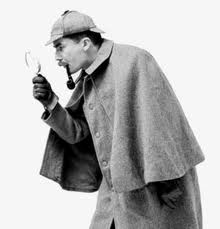
- They are often seen as thinkers rather than actors despite having the likes of Sherlock Holmes and Dr Frankenstein as their father figures.
- They aren't always given the chance to shine in their particular fields or any other, taking the support role rather than that of the hero or anti-hero.
- There is an over representation of males compared to females.
- Female geeks are often extremely pretty and their hangups aren't made visually apparent just for the sake of mass appeal.
- Geeks in modern works don't necessary create or solve anything intellectual. There are enough mentally inactive geeks in the mix to make one wonder if there really is a clear distinction between a lazy idiot and a geek.
- There is a distinct lack of a heavy metal fan and geek overlap. This overlap is huge in reality and is in dire need of representation.
- The geek with the most social abilities is often portrayed as the hero rather than the one actively thinking up solutions to problems. This tends to send the message that geekism is only acceptable if you can get along with others well (non-geeks included), something that is just plain impossible for many real geeks.


Things that are right in modern geek representations:
- The strange conversations including a lot of jargon.
- The wearing of shirts with intellectual humour on them. Otherwise, geek fashion is often actually quite sharp if not mainstream.
- The comparative representation of intelligence. The likelihood of a real geek having a university education is high. Many geeks have skipped this level of education though, preferring to gain skills while working but if put to the test they would easily gain a university degree in their field of interest.
- The deep fixation of the geek on a certain world view, occupation or interest.
- The geek's motivation to fix a problem that requires intelligence to solve.
- The number of female geeks trying to be socially acceptable at least in appearance.
- The number of female geeks openly associating themselves as geeks. Each of those open about it likely know a few that aren't despite the shared interests.
- The number of geeks openly identifying themselves as geeks being few until pushed.
- The outsider position the geek holds in general society.
- The perceived unappreciated status they have of themselves.
- Their lack of care over what other's think of their projects.
- The likelihood of the geek enjoying technology, particularly when it comes to entertainment.
- The frequent representation of an arrogant geek. This is due to geeks being opening proud of their projects and intelligence over the appreciation and acceptance of their fellows.
There is more but, in general, there is more right in the fictional representations of geeks than there is wrong. The representations of geekdom can be fleeting, such as the flight navigator in The Avengers who took to gaming mid flight and only stopped when he was spotted (he quickly resumed once the 'bosses' left). Or entire works can revolve around geeks, which you clearly can see when you read and watch Tony Stark, The Hulk and the like. (In fact comics are often written by geeks for geeks.)
Over the past century and a half they're received an increasingly high representation in books, comics and on television but their original home was within books and comics. Most heroes and anti-heroes in science fiction were geeks. Geeks, in fact, make perfect anti-heroes because they inherently flawed and driven but rarely inherently bad, just misguided or blinkered (representations of NAZI doctors not included in this appraisal). Many geeks have also appeared in detective, fantasy, general fiction too. They will always have a place in fiction as long as a mad scientists, a genius detective or a techie is needed.
Just a note, most of those who became superheros and super villains began and continue as geeks.
But all in all, good representations and bad, fictional geeks are often loved for their awkwardness and ability to overcome problems, both within themselves and without, to succeed. They draw on our sympathies and pull us into their trials and tribulations purely because many of us can see ourselves, and I mean our inner selves, in these characters. All because most of us are obsessed with one thing or another and strive to overcome our own set of problems related to fitting in with others while maintaining our own identities and interests. In fact, geeks are often admired for their intelligence, ability to ignore social conventions and to continually work on a problem until they solve it.
So bring on the geek. They make fantastic characters and, given the huge numbers of them in reality, it is always great to see them represented well in fiction. Above all, let them shine.